
Why the Middle East has Become the Most Important Growth Market for Vape Brands in 2026
Introduction
For years, the global vape industry focused heavily on North America and Europe. However, in 2026, a significant shift is taking place.
More vape manufacturers, distributors, and brand owners are turning their attention to the Middle East. Countries such as the UAE, Saudi Arabia, Kuwait, and Iraq are rapidly emerging as some of the most attractive growth markets for the vaping industry.
So why is the Middle East becoming the center of attention for global vape brands?
1. Strong Market Growth Continues Across the Region
The Middle East vape market is experiencing rapid expansion, with industry forecasts projecting strong long-term growth throughout the decade. Demand is increasing across major GCC countries, particularly in the UAE and Saudi Arabia, driven by rising acceptance of alternative nicotine products and expanding retail networks.
Unlike many mature Western markets, several Middle Eastern countries still offer significant room for market penetration and brand development.
For vape companies, this means one thing:
The growth cycle is still in its early stages.
2. High-Puff Disposable Devices Are Dominating Sales
Consumer preferences in the region have evolved rapidly.
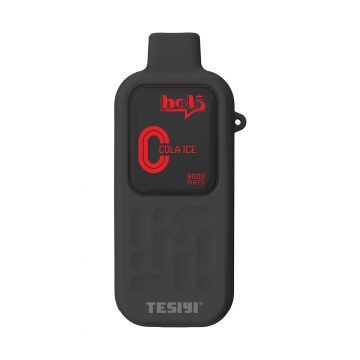
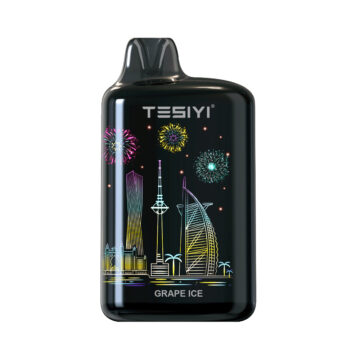
Today, high-capacity disposable vapes have become one of the fastest-growing product categories. Devices offering 8,000 to 40,000 puffs are increasingly popular because consumers value convenience, longer usage time, and better overall value.
For manufacturers, this trend creates opportunities to develop:
- Rechargeable disposable vapes
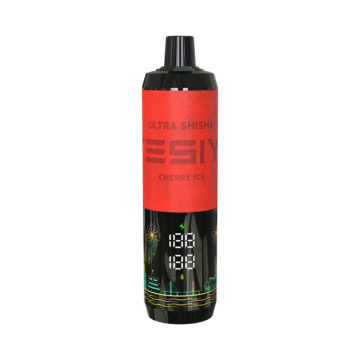
- Smart-display devices
- Premium high-capacity products
- Long-lasting battery systems
The competition is no longer just about puff count. Users are increasingly looking for quality, consistency, and design.
3. Mint-Based Flavors Continue to Lead the Market
One of the most unique characteristics of the Middle East vape market is flavor preference.
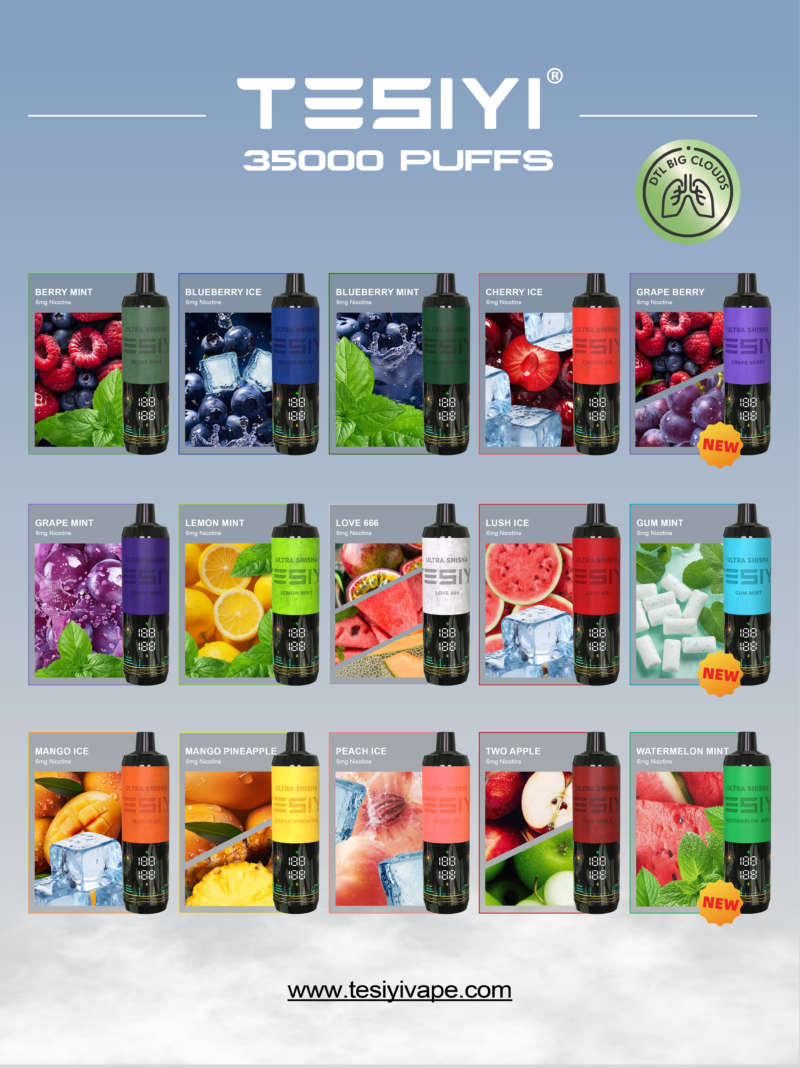
While fruit flavors remain important, mint-based profiles consistently rank among the best-selling options across the region. The flavors of TESIYI ultra shisha is a good flavors to choosing, Popular choices include:
- Double Mint
- Ice Mint
- Lemon Mint
- Grape Mint
- Watermelon Mint
This preference is influenced by both climate and regional taste culture, where refreshing flavors have strong consumer appeal.
Brands that successfully localize their flavor portfolios are gaining a significant competitive advantage.
4. Distributors Are Looking for Brands, Not Just Products
Perhaps the biggest shift in 2026 is happening at the distributor level.
In the past, many wholesalers focused primarily on pricing and product specifications.
Today, distributors increasingly seek partners that can provide:
- Brand support
- Marketing materials
- Retail display solutions
- Social media promotion
- Long-term market development strategies
As competition intensifies, strong branding is becoming just as important as product quality.
This trend is creating opportunities for manufacturers that are willing to invest in market-building rather than simply exporting products.
5. Compliance Is Becoming a Key Competitive Advantage
As the Middle East vape industry matures, governments are introducing clearer regulatory frameworks.
Importers and distributors are paying closer attention to:
- Product certifications
- Packaging requirements
- Label compliance
- Customs clearance procedures
- Supply chain reliability
Companies that can consistently meet compliance requirements are becoming preferred partners for serious distributors.
6. Iraq Is Emerging as an Untapped Opportunity
While the UAE and Saudi Arabia often receive the most attention, Iraq is increasingly attracting interest from distributors and vape brands.
The market offers:
- Growing consumer demand
- Expanding retail networks
- Relatively low brand concentration
- Significant room for new entrants
For companies willing to invest in local partnerships and retail development, Iraq may represent one of the most promising opportunities in the region over the next few years.
Conclusion
The Middle East is no longer an emerging vape market—it is becoming one of the industry’s most important growth engines.
Driven by strong demand, high-puff disposable devices, mint-flavor popularity, expanding distribution networks, and increasing regulatory maturity, the region presents significant opportunities for manufacturers, distributors, and brand owners alike.
For companies looking to expand internationally in 2026, the question is no longer whether to enter the Middle East market.
The real question is how quickly they can establish a presence before the market becomes even more competitive.