


1. The Origins of Shisha
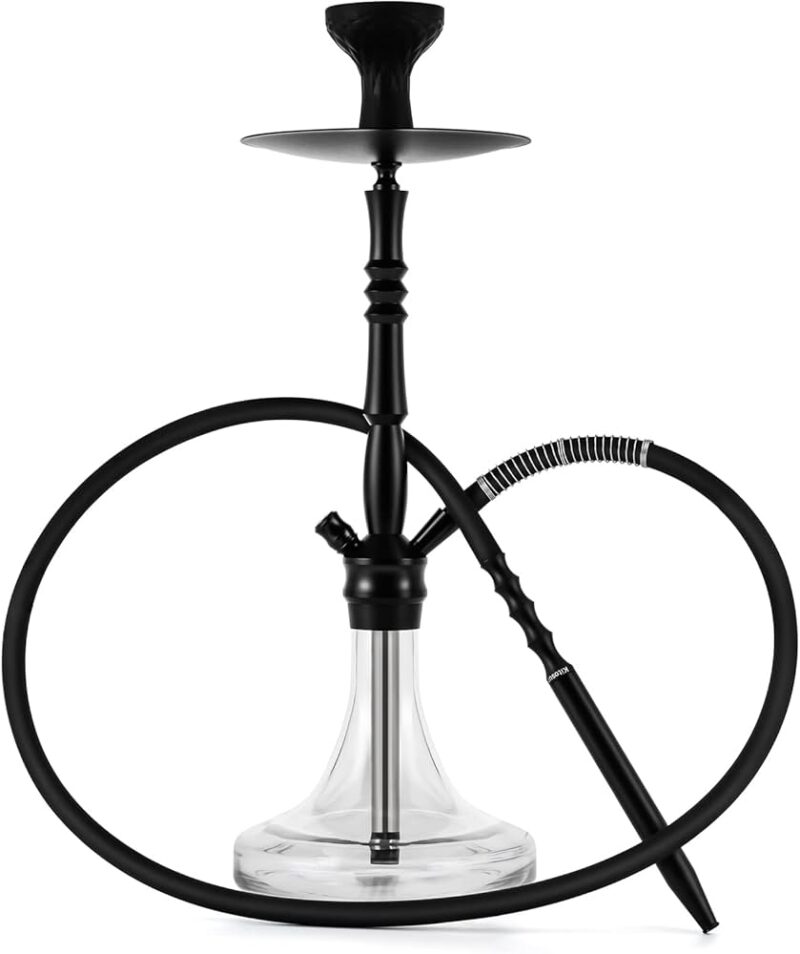
Shisha, also known as hookah, waterpipe, narghile, or argileh, is a traditional smoking device that filters smoke through water before it’s inhaled. Its history can be traced back to the 16th century, with roots in India and Persia(Iran).
The earliest prototype of shisha is believed to have originated in northern India during the Mughal Empire. According to legend, an Indian physician named Hakim Abul-Fath invented the first waterpipe under the reign of Emperor Akbar (1542–1605). His goal was to create a “healthier” way to smoke tobacco by passing the smoke through water to purify it.
From India, the waterpipe spread to Persia (Now Iran), where it became known as “narghile”—a word derived from the Persian term for “coconut,” since early pipes were made from coconut shells. Eventually, the practice reached the Arab world and the Ottoman Empire, particularly in Turkey, Egypt, Syria, UAE, and Lebanon, where it evolved into what we now call shisha.
2. Shisha’s Expansion and Cultural Evolution
The Ottoman Era: A Symbol of Status
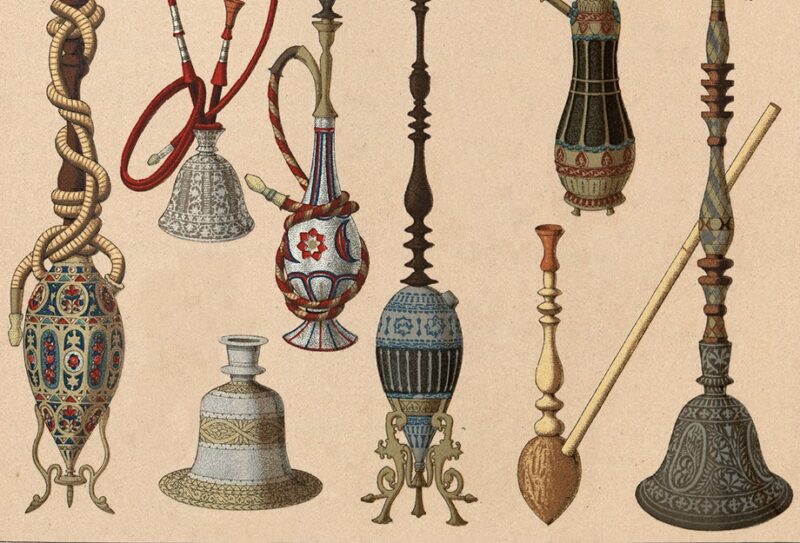
By the 17th and 18th centuries, shisha had become a symbol of sophistication and prestige in the Ottoman Empire. In Istanbul’s coffeehouses (kahvehane), scholars, poets, and politicians gathered to discuss art, literature, and politics over cups of tea and long, elegant waterpipes.
The pipes were often made of brass, glass, or silver and beautifully decorated — not just smoking tools but expressions of craftsmanship and luxury.
The Middle East and North Africa
During the 19th century, shisha culture spread across Egypt, Syria, Lebanon, and North Africa. Cairo, in particular, became a major center for shisha traditions.
The term “shisha” itself comes from the Persian word for glass, referring to the glass base of the modern waterpipe.
Different regions developed their own flavors and styles:
-
Turkey favored traditional strong tobacco and double-charcoal setups.
-
Lebanon and Syria introduced fruit and herbal mixes.
-
Egypt popularized the sweet, honey-mixed tobacco known as mu‘assel.
3. Modern Development and Global Spread
Flavor Innovation
In the 20th century, tobacco makers began blending tobacco with honey, molasses, and fruit essences, creating smoother, aromatic varieties. Classic flavors such as double apple, grape, mint, and watermelon and so on became staples, making shisha more accessible and enjoyable for a wider audience.
Now on the market watermelon ice and love 666 flavors are sells very good in the middle east.
The Rise of Global Shisha Culture
By the early 21st century, globalization and Middle Eastern migration had carried shisha culture to Europe, North America, and Asia.
Shisha lounges and hookah bars began appearing in cities like London, Dubai, Saudi, Singapore, Berlin, and New York, espacially in Middle East, transforming the practice from a regional custom into a global social experience.
Today, shisha smoking is seen not just as a pastime but as a cultural ritual — a way to unwind, socialize, and share moments across generations and cultures.
New Trends
Recently, herbal shisha (tobacco-free) and electronic hookahs have entered the market, catering to those seeking smoke-free or nicotine-free alternatives. The Al Fakher brand used to produce shisha tobacco (molasses), and it is now also manufacturing disposable shisha-it is easier to vape.
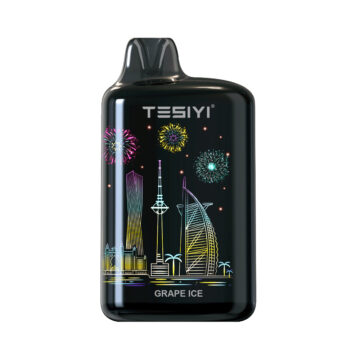
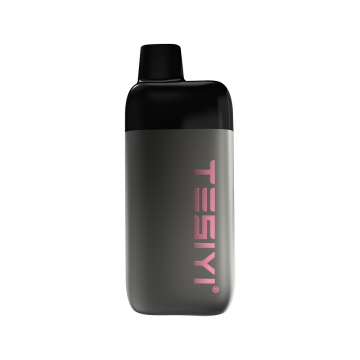
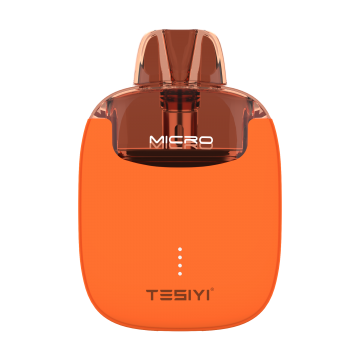
There have a new product disposable vape for shisha from TESIYI, called ultra shisha.
Puffs: UP TO 35000
Coil Resistance: 0.6Ω
Battery Capacity: 850mAh
Nicotine : 6mg
Capacity: 30ml
Switch: Adjustable Airflow
Charging Port: Type-c

4. Cultural Meaning and Symbolism
Beyond the act of smoking, shisha carries deep cultural significance.
In Middle Eastern culture, offering shisha is a gesture of hospitality and friendship. It’s common for people to gather, sip tea or coffee, and share conversations while passing the hose around — symbolizing trust and connection.
In modern cities, shisha has become a bridge between traditions and contemporary lifestyles, blending heritage with global youth culture. It represents a relaxed, communal atmosphere — a space where stories, laughter, and smoke intertwine.